
Discover inspiring destinations, trusted travel guides, trending flights, and unforgettable experiences—all designed to help you explore the world with confidence.
Budget travel in 2025 and 2026 isn’t about scraping by on instant noodles and 14-bed dorm rooms. It’s about making smarter choices—picking destinations where your dollars stretch further without trading away authentic experiences. If you’ve been watching flight prices climb and wondering whether affordable travel still exists, you’re not alone. The numbers tell an interesting story: Americans now budget an average of $10,244 for travel, nearly double what they planned in 2024, according to the IPX1031 travel report. But here’s what most people miss—that figure reflects average spending habits, not what’s actually necessary. Seasoned long-term travelers consistently prove that $50 a day covers comfortable travel across dozens of countries. The trick isn’t spending less on the same destinations. It’s choosing the cheapest countries to visit in the first place.
We’ve dug through the latest cost data, talked to travelers currently on the road, and compiled everything you need to plan a trip that respects both your wanderlust and your bank account. Whether you’re plotting a gap year, a career break, or simply your first international adventure, this guide maps out exactly where to go, what to expect, and how to make your money last.
Key Takeaways
- Budget travelers average $50 per day across low-cost destinations—comfortably covering accommodation, food, transport, and activities.
- A full year of world travel has a baseline cost of roughly $20,000 if you stick primarily to affordable regions.
- U.S. vacation costs rose 7% compared to 2025 levels, making destination selection more important than ever.
- Southeast Asia, Eastern Europe, and Central America consistently offer the best value for money in 2025/2026.
- Slow travel, local transport, and shoulder-season timing can cut your daily expenses by 30–40% without sacrificing experiences.
- Why Budget Travel Still Works in 2025
- What the Data Says About Travel Costs Right Now
- How to Define a ‘Cheapest Country’ for Budget Travel
- 10 Cheapest Countries to Visit in 2025/2026
- How to Budget a Year of Travel on $20,000
- Money-Saving Strategies for the Cheapest Countries
- Realistic Budget Travel Budget Example
- Frequently Asked Questions About Budget Travel
Why Budget Travel Still Works in 2025
Scroll through social media for five minutes and you’d think everyone’s blowing $8,000 on two-week vacations. The reality looks different. Budget travel remains not just viable but genuinely rewarding—if you know where to look.
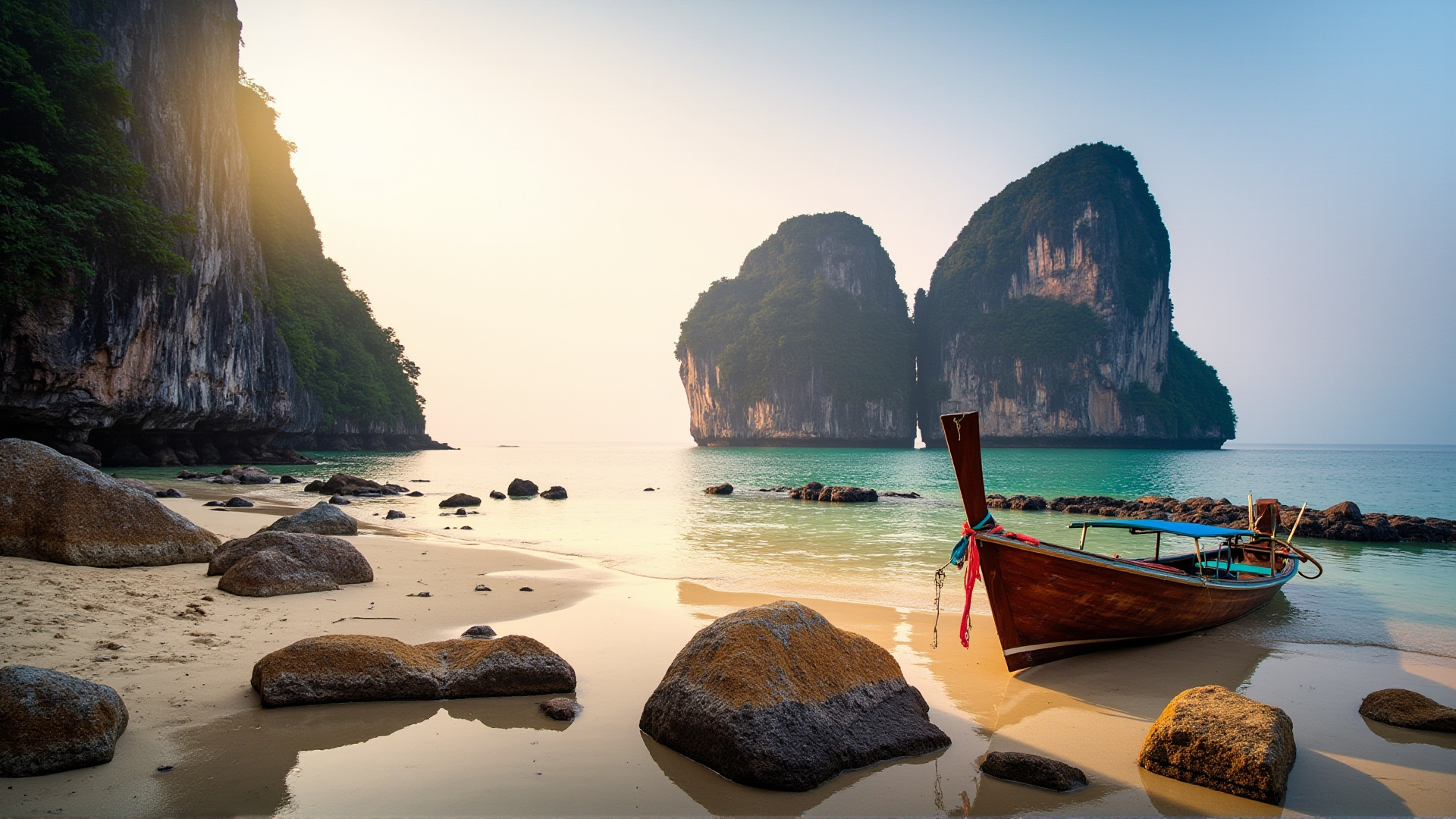
Budget travelers consistently spend an average of $50 a day on the road, though that number assumes you’re moving through mostly low-cost destinations, as documented by the long-term travel resource A Little Adrift. That $50 covers a private room in many parts of Southeast Asia, three solid meals from local eateries, transportation, and even the occasional guided tour or entrance fee. Try pulling that off in Paris or Tokyo and you’ll burn through $50 before lunch.
What changed in recent years isn’t the availability of cheap destinations—it’s how people think about travel spending. The pandemic reshuffled priorities. Remote work untethered location from income. Suddenly, spending a month in Vietnam doesn’t seem like a scrappy backpacker move. It looks like a smart financial decision while still getting to explore somewhere incredible.
One thing that surprises first-time budget travelers? How little correlation exists between cost and experience quality. Some of the most memorable meals you’ll eat cost under $3. The friendliest guesthouse owners charge $15 a night. The most beautiful temples sit in countries where entrance fees hover around a dollar. Expensive doesn’t guarantee better—it usually just guarantees more tourists.
That said, budget travel demands a mindset shift. You’re trading luxury for authenticity, not deprivation for adventure. The travelers who struggle aren’t the ones with limited funds. They’re the ones who try to replicate their home-country lifestyle abroad instead of adapting to local rhythms and prices.
What the Data Says About Travel Costs Right Now
Let’s talk numbers, because feelings won’t help you plan a budget. Cold hard data will.
Average U.S. travel costs have jumped 7% compared to this time in 2025, according to Pacaso’s latest vacation cost analysis. Flights, hotels, rental cars—nearly everything costs more. Meanwhile, the IPX1031 Americans Travel Report reveals that the typical 2025 travel budget sits at $10,244—nearly double 2024’s $5,300 average. Some of that increase reflects pent-up demand. Some reflects genuine inflation. Either way, travelers are feeling the squeeze.

But here’s where it gets interesting. Those statistics describe how Americans choose to travel, not how they must travel. The $10,244 figure includes domestic trips, peak-season flights, chain hotels, and restaurant meals. Shift your destination to a country where the cost of living runs four to five times lower than the U.S., and your spending patterns transform completely.
Consider transportation. Americans spend more than $2,100 annually just on vacation transportation, according to ValuePenguin. Flights eat the largest chunk. But once you’re in a cheap country, getting around costs pennies. A six-hour bus through the Vietnamese highlands might set you back $8. An overnight train in Thailand runs $15–25. You don’t need to be a spreadsheet wizard to see how destination choice cascades through every line of your travel budget.
💡 Pro Tip: The single biggest budget killer isn’t daily spending—it’s airfare. Book regional flights separately rather than multi-city international tickets. Budget airlines within Southeast Asia and Eastern Europe often run $30–60 per leg. Fly into a major hub like Bangkok or Mexico City, then use local carriers to hop between countries. You’ll save hundreds compared to booking everything from home.
Even long-term budget travelers felt the pinch recently. Earth Vagabonds reported that 2025 turned out to be their most expensive year of early retired budget travel. Rising accommodation costs in previously cheap destinations caught them off guard. Their experience underscores an important truth: budget travel requires ongoing recalibration. The country that was cheapest five years ago might not hold that title today.
This is exactly why choosing the cheapest countries to visit matters more than ever. You can’t control global inflation, but you can control which economy you’re participating in. A 7% price increase on a $30 daily budget stings far less than the same increase on a $200 daily budget.
🔥 Hacks & Tricks: Check exchange rates before booking anything. The U.S. dollar strengthened significantly against several currencies in 2025, including the Japanese yen, Turkish lira, and Argentine peso. A strong dollar means your purchasing power increases without the destination changing a thing. Book accommodation in local currency rather than USD whenever possible—properties that price in dollars rarely adjust for favorable exchange rates. Also, consider opening a travel-friendly bank account that reimburses international ATM fees. Those $5 withdrawal charges add up fast.
How to Define a ‘Cheapest Country’ for Budget Travel
Cheapest doesn’t automatically mean best. If it did, everyone would vacation in the same three countries. Defining the cheapest countries to visit requires looking beyond a single number and understanding what you’re actually paying for.
Five metrics shape the true cost of any destination:
Daily accommodation. This varies wildly even within cheap countries. A dorm bed in Cambodia runs $3–6. A private room with air conditioning might cost $12–18. A boutique guesthouse with a pool could reach $35. All three exist in the same town. Knowing your comfort baseline matters more than quoting the cheapest available option.
Food costs. Eating where locals eat transforms your budget. Street food in Vietnam averages $1–2 per meal. Sit-down restaurants catering to tourists charge $5–10 for the same dishes. The difference isn’t quality—it’s rent and marketing. Learn to spot where families eat dinner, and your food budget drops by 60% overnight.
Local transportation. Tuk-tuks, motorbike taxis, shared minivans, public buses—each country has its own system. Figuring it out takes a day or two. After that, you’re moving around for pocket change. The $2,100 average annual transportation spend that ValuePenguin cites becomes almost comical when a full day of buses and songthaews in Thailand costs under $5.
Visa fees and entry costs. Some cheap countries charge surprisingly steep visa fees. Others let you in free for 30–90 days. Vietnam’s e-visa costs $25. Cambodia charges $30 on arrival. Thailand offers visa-free entry for many nationalities. These one-time costs affect short trips disproportionately—spread them across a month and they barely register.
Exchange rates. A currency swing of 10–15% changes your effective budget more than any daily scrimping ever could. Monitor rates before committing to a region. Countries experiencing currency depreciation offer extraordinary value, though they sometimes come with economic instability worth researching beforehand.
What surprises many first-time budget travelers is that activities rarely break the bank in cheap countries. Scuba diving in Indonesia, trekking in Nepal, temple-hopping in Myanmar—these bucket-list experiences cost a fraction of equivalent activities in developed nations. A two-tank dive near Koh Tao runs about $25–30. The same experience in Hawaii would set you back $150 minimum.
10 Cheapest Countries to Visit in 2025/2026
The $50 daily benchmark that A Little Adrift documented remains a useful measuring stick. Most of the destinations below come in well under that figure, even accounting for the cost increases that Earth Vagabonds noted during their 2025 travels. Prices assume mid-range budget travel—private rooms, local restaurants, occasional splurges.
| Country | Region | Daily Budget (USD) | Highlight Experience |
|---|---|---|---|
| Vietnam | Southeast Asia | $25–35 | Ha Giang motorbike loop, street food in Hanoi |
| Cambodia | Southeast Asia | $25–35 | Angkor Wat at sunrise, Kampot riverside stays |
| Laos | Southeast Asia | $25–35 | Kuang Si Falls, slow boat down the Mekong |
| Indonesia | Southeast Asia | $30–40 | Bali’s rice terraces, Komodo National Park |
| Thailand | Southeast Asia | $35–50 | Chiang Mai temples, southern island hopping |
| Guatemala | Central America | $30–40 | Lake Atitlán villages, Acatenango volcano hike |
| Nicaragua | Central America | $30–40 | Ometepe Island, Granada’s colonial streets |
| Mexico | Central America | $35–50 | Oaxaca’s food scene, Yucatán cenotes |
| Albania | Eastern Europe | $35–45 | Albanian Riviera beaches, Berat’s Ottoman quarter |
| Georgia | Eastern Europe | $30–40 | Tbilisi’s bathhouses, Svaneti mountain hikes |
A few observations worth noting. Southeast Asia remains the heavyweight champion of budget destinations—it’s not even close. The infrastructure for travelers is mature, the food culture prioritizes eating out over cooking at home, and competition among guesthouses keeps prices remarkably stable. Vietnam and Cambodia consistently deliver private rooms, three daily meals, and transport for under $30.
Central America costs slightly more but offers proximity advantages for North American travelers. Shorter, cheaper flights offset the marginally higher daily expenses. Guatemala in particular rewards those who stay put—weekly apartment rentals in San Pedro La Laguna run $80–120, dropping your accommodation cost below $15 a night.
Eastern Europe’s budget stars, Albania and Georgia, fly under most travelers’ radar. Both countries offer Mediterranean-quality coastlines and mountain scenery at a third of the price you’d pay in Croatia or Greece. The catch? Infrastructure can be rougher. Buses run on flexible schedules. English isn’t as widely spoken. These aren’t dealbreakers, but they demand more patience and improvisation than the well-trodden Southeast Asian circuit.
One country conspicuously absent from many budget lists is India. Daily costs there can dip below $20, making it arguably the cheapest country on the planet for travelers. It’s not on this list because the experience differs so dramatically from the others—the intensity, crowds, and sensory overload make it a specific kind of travel that deserves its own dedicated guide. If you’re curious, budget about $20–30 daily and prepare for something unlike anywhere else.
How to Budget a Year of Travel on $20,000
The $20,000 annual baseline that A Little Adrift documented breaks down to roughly $1,667 per month or $55 per day. That’s slightly above the $50 average cited for budget travel in low-cost destinations, leaving a small buffer for the occasional splurge, unexpected expense, or pricier country thrown into the mix.
Here’s how that $20,000 realistically breaks down across a year:
| Category | Annual Allocation | Monthly Equivalent | Notes |
|---|---|---|---|
| Accommodation | $6,000–7,000 | $500–583 | Private rooms in guesthouses, occasional hostels |
| Food & Drink | $5,000–6,000 | $417–500 | Mix of street food, local restaurants, self-catering |
| Transportation | $3,500–4,500 | $292–375 | Includes flights between regions, local buses, trains |
| Activities & Entrance Fees | $2,000–2,500 | $167–208 | Tours, diving, trekking permits, temple passes |
| Visas & Insurance | $1,000–1,500 | $83–125 | Travel insurance, visa fees, border runs |
| Miscellaneous | $1,500–2,000 | $125–167 | Laundry, SIM cards, gear replacement, emergencies |
Notice how accommodation and food together consume roughly 60% of the budget. Those are your biggest levers. Stay in one place longer—weekly and monthly discounts often slash accommodation costs by 30–50%. Eat where locals eat. These two adjustments alone can stretch a $20,000 budget from tight to genuinely comfortable.
The transportation line might look low given ValuePenguin’s finding that Americans average over $2,100 annually on vacation transport alone. But remember—that figure assumes U.S.-priced flights, rental cars, and domestic travel patterns. Once you’re moving through Southeast Asia or Central America, intercity buses cost $5–15 and regional flights rarely exceed $60. The budget works because the geography does.
What this table doesn’t capture is the pace of spending. Your first month will almost certainly run higher than your sixth. New travelers tend to move faster, eat at more tourist-oriented restaurants, and say yes to every excursion offered. By month three, you’ve internalized local prices, learned which experiences justify their cost, and naturally settled into slower rhythms. Budget for $60–70 daily during your first month, then let things settle toward $45–50 afterward.
Money-Saving Strategies for the Cheapest Countries
Choosing the cheapest countries to visit does most of the heavy lifting. The strategies below handle the rest—and they apply whether you’re spending two weeks in Guatemala or six months bouncing around Southeast Asia.
Slow down. Movement costs money. Every travel day burns cash on transport, often forces pricier meals near bus stations or airports, and prevents the weekly discount rates that guesthouses offer to longer-staying guests. Spending a week in one town instead of two nights drops your effective daily cost noticeably. You also discover the cheap local breakfast spot, figure out which market stall gives the best prices, and stop paying the “I just arrived” premium on everything.
Eat street food. No single strategy saves more money with less sacrifice. Street food in Vietnam, Thailand, Mexico, and Guatemala ranks among the best cuisine those countries produce—not a downgrade from restaurant dining, often an upgrade. A $1.50 bowl of bún chả in Hanoi or a $2 plate of tacos al pastor in Oaxaca beats the $8 tourist-menu version every time. Follow the crowds. If locals line up, the food is both safe and exceptional.
Use local transport exclusively. Tuk-tuks, colectivos, songthaews, chicken buses—every cheap country has its version of shared, slightly chaotic, incredibly affordable transport. They’re slower than private taxis and occasionally confusing. They’re also 80–90% cheaper. A two-hour colectivo ride through Guatemala costs around $3. The same distance in a private shuttle runs $25–40. Over a month, those decisions compound into hundreds of dollars saved.
Travel during shoulder season. Every destination has a sweet spot: weather that’s good enough, crowds that haven’t arrived yet, prices that haven’t peaked. In Southeast Asia, that’s often November or February—just outside the December–January high season. In Central America, aim for May or October. Accommodation drops 20–40% from peak rates, and you’ll actually get to see the Angkor Wat sunrise without five hundred other people in the frame.
Stay longer in fewer places. This deserves emphasis beyond “slow down.” Monthly apartment rentals in Chiang Mai, Da Nang, or Antigua Guatemala run $200–400. That’s $7–13 per night—less than most dorm beds in Western Europe. Having a kitchen means occasional home-cooked meals. Having a routine means you stop spending money out of boredom. Many travelers find that staying put for a month actually costs less than two weeks of constant movement through the same country.
Realistic Budget Travel Budget Example
Let’s ground all this in actual numbers. Below is a realistic one-month budget for northern Thailand—specifically Chiang Mai and the surrounding region—based on current 2025/2026 prices. This assumes a reasonably experienced budget traveler who’s found their rhythm but isn’t counting every last baht.
| Expense Category | Monthly Cost (USD) | Daily Equivalent | Details |
|---|---|---|---|
| Accommodation | $300 | $10.00 | Monthly rental for a studio apartment with AC and WiFi |
| Food | $270 | $9.00 | Street food breakfast ($1.50), local lunch ($2), dinner ($3.50), fruit & snacks ($2) |
| Local Transport | $60 | $2.00 | Scooter rental ($50/month) plus occasional songthaew rides |
| Activities | $120 | $4.00 | Temple entrance fees, weekend trips, cooking class (one-time $25 splurge) |
| SIM Card & Data | $15 | $0.50 | Unlimited data plan from local carrier |
| Laundry & Miscellaneous | $35 | $1.17 | Weekly laundry service, toiletries, occasional coffee shop visit |
| Total | $800 | $26.67 | Well under the $50/day benchmark |
That’s $800 for a month that includes a private apartment, daily street food feasts, your own scooter, and a cooking class. Compare that to the average American travel budget of $10,244 annually—which, as the IPX1031 report showed, nearly doubled from 2024’s $5,300. At $800 per month, you could travel for an entire year on $9,600. That’s less than the average American’s single year of vacation spending.
The 7% cost increase that Pacaso documented in U.S. travel mostly affects domestic trips, international flights out of American airports, and destinations catering to American tourists. Chiang Mai’s street food stalls aren’t reading Pacaso’s reports. They’re pricing for locals, and those prices haven’t budged much. That’s the fundamental advantage of choosing the cheapest countries to visit—you’re participating in a local economy, not a tourist economy.

Could you spend more? Of course. Fancy coworking spaces, Western restaurant meals, weekend flights to Bangkok—those add up. But the baseline cost of a genuinely good life in northern Thailand runs well under $30 daily. Spend the extra $20 in your budget on experiences, or save it for the next destination. Either way, you’re living well below the figures that dominate American travel headlines.
Frequently Asked Questions About Budget Travel
What is the cheapest country to visit in 2025/2026?
Vietnam and Cambodia consistently rank as the cheapest countries to visit, with daily budgets of $25–35 covering private rooms, three meals, and local transport. India can run even lower at $20–25 daily, though the travel experience differs significantly. Laos, Indonesia, and Guatemala all fall comfortably under the $40 daily mark. The “cheapest” depends partly on your flight costs to reach the region—Southeast Asia offers the strongest combination of low daily costs and well-established backpacker infrastructure.
How much money do I need for budget travel?
Plan on $45–55 per day across most of the cheapest countries to visit, with Southeast Asia running toward the lower end and Eastern Europe or Central America toward the higher end. A one-month trip through Vietnam or Cambodia can work on $750–1,000 excluding international flights. Long-term travelers consistently spend around $20,000 annually when sticking primarily to affordable regions, as documented by A Little Adrift’s cost analysis. Your biggest variables will be accommodation standards and how often you move between destinations.
Is $50 a day enough for budget travel?
Yes—$50 daily covers comfortable budget travel across most of the cheapest countries to visit. In Southeast Asia, $50 affords private rooms with air conditioning, three meals from local restaurants, transportation, and paid activities with money left over. In Eastern Europe or Central America, $50 requires slightly more mindfulness but remains entirely workable. The key is staying primarily in low-cost destinations rather than trying to stretch $50 across expensive countries like Japan or France where it simply won’t suffice.
When is the cheapest time to travel to these countries?
Shoulder seasons—the weeks between peak and off-peak periods—offer the best combination of reasonable prices and decent weather. In Southeast Asia, target November or February–March, avoiding December–January’s holiday crowds. For Central America, May and October sit between rainy and dry seasons with fewer tourists and discounted accommodation. Albania and Georgia are cheapest in May–June or September–October, outside the July–August European summer rush when prices can spike noticeably.
Do I need travel insurance for budget travel?
Yes, and skimping here is a mistake. Travel insurance typically costs $40–70 monthly for comprehensive coverage and protects against genuinely catastrophic expenses—hospitalization, evacuation, theft of valuables. Budget travelers sometimes skip insurance to save money, but a single hospital visit in Thailand without coverage can erase months of careful budgeting. Several providers offer plans specifically designed for long-term backpackers that include coverage for scooter accidents, which standard policies often exclude.
Budget travel in 2025 and 2026 remains one of the most rewarding ways to see the world—not despite spending less, but often because spending less pushes you toward more authentic experiences. The data confirms what experienced travelers have known for decades: choosing the cheapest countries to visit isn’t a compromise. It’s a strategy that opens up months of exploration for what others spend on a single week’s vacation. Vietnam’s street food stalls, Guatemala’s lakeside villages, Albania’s empty beaches—they’re waiting, and your dollars have never stretched further in the right places.
For more practical planning, check out our guides to Southeast Asia backpacking routes, travel budgeting spreadsheets, and packing lists for long-term travel. The hardest part isn’t the money. It’s booking that first flight.